
This Article is written by Anahita Shelat, founder and creative head of Anahita Shelat one of the best Hand embroidered Indian Clothing brand.
In a world dominated by fast-changing fashion trends, many people are rediscovering the beauty of Handcrafted Indian Clothing. Consumers today are becoming more conscious about what they wear, how it is made, and the story behind every garment. While fast fashion once promised convenience and affordability, it often lacked the emotional value, craftsmanship, and individuality that people truly seek.
This shift in consumer behavior has created a renewed appreciation for traditional craftsmanship. As a result, Handcrafted Indian Clothing is experiencing a remarkable comeback. Fashion enthusiasts, brides, professionals, and even younger generations are investing in handcrafted garments that celebrate heritage, artistry, and timeless elegance.
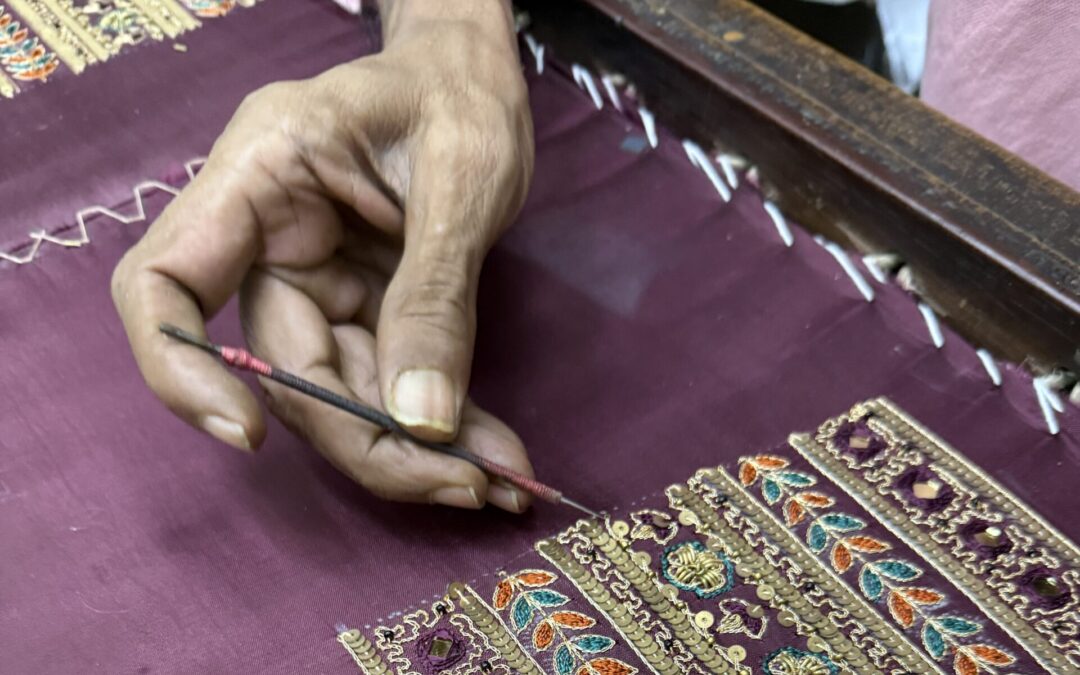
Unlike mass-produced outfits, hand-embroidered garments reflect human creativity, patience, and skill. Every stitch carries a story, making each piece unique and meaningful. Today, luxury is no longer defined by logos or fleeting trends. Instead, it is defined by authenticity, craftsmanship, and lasting value.
The growing demand for Handcrafted Indian Clothing is not simply a fashion trend. It represents a larger movement toward conscious consumption, sustainability, and emotional connection with clothing. People want garments that feel personal, memorable, and capable of being treasured for years.
Contents
- 1 The Rise and Fall of Fast Fashion
- 2 Why Handcrafted Fashion Feels More Meaningful?
- 3 The Rich Heritage of Indian Embroidery
- 4 Why Younger Generations Are Embracing Indian Fashion
- 5 The Emotional Value of Hand Embroidered Clothing
- 6 Sustainability Is Reshaping Fashion Choices
- 7 Why Luxury Fashion Is Returning to Craftsmanship
- 8 The Growing Popularity of Handcrafted Bridal Couture
- 9 Social Media’s Role in the Revival of Indian Craftsmanship
- 10 Top Emerging Brands Leading the Handcrafted embroidery to the next level
- 11 Why Consumers Are Investing in Fewer, Better Pieces
- 12 The Global Appreciation of Indian Craftsmanship
- 13 The Future of Handcrafted Indian Clothing
- 14 Final Thoughts
- 15 Frequently Asked Questions About Handcrafted Indian Clothing
- 15.1 1. What is Handcrafted Indian Clothing?
- 15.2 2. Why is Handcrafted Indian Clothing becoming popular again?
- 15.3 3. What makes hand embroidery different from machine embroidery?
- 15.4 4. Is Handcrafted Indian Clothing worth the investment?
- 15.5 5. Which embroidery styles are commonly used in Indian fashion?
- 15.6 6. Why is hand embroidery considered a luxury in fashion?
- 15.7 7. Is Handcrafted Indian Clothing sustainable?
- 15.8 8. Can younger generations wear Handcrafted Indian Clothing?
- 15.9 9. Why do brides prefer handcrafted embroidered outfits?
- 15.10 10. How do I identify authentic Handcrafted Indian Clothing?
- 15.11 11. How should I care for Handcrafted Indian Clothing?
- 15.12 12. Which occasions are best suited for Handcrafted Indian Clothing?
- 15.13 13. Why is Indian embroidery admired worldwide?
- 15.14 14. What should I look for when buying Hand crafted Indian Clothing?
- 15.15 15. Will Handcrafted Indian Clothing continue to grow in popularity?
The Rise and Fall of Fast Fashion
For decades, fast fashion transformed the way people shopped. New styles appeared every week, making trendy clothing accessible to a wider audience. Brands focused on producing garments quickly and inexpensively to meet constantly changing consumer demands.
Initially, this model was highly successful. Consumers enjoyed the excitement of buying new styles regularly without spending a fortune. However, over time, several issues became apparent.
Many fast-fashion garments lacked durability. Clothing often lost its shape, color, or quality after only a few wears. Designs became repetitive, and consumers found themselves buying more while feeling less satisfied.
More importantly, people began to realize that fast fashion lacked emotional value. Clothing became disposable rather than meaningful. Consumers started questioning why they owned wardrobes full of garments yet felt disconnected from what they wore.
This growing dissatisfaction has encouraged many buyers to seek alternatives. One of the most popular alternatives has been Handcrafted Indian Clothing, which offers authenticity, craftsmanship, and longevity that fast fashion often cannot provide.
Why Handcrafted Fashion Feels More Meaningful?
Fashion has always been more than fabric and stitching. It serves as a form of self-expression, identity, and storytelling.
When people invest in handcrafted garments, they are purchasing something created with intention. Unlike machine-made pieces, handcrafted clothing reflects the expertise and dedication of skilled artisans who spend hours, days, or even months perfecting each design.
Handcrafted Indian Clothing stands apart because every piece carries subtle variations that make it unique. These variations are not flaws; they are proof of genuine craftsmanship.
The emotional appeal of handcrafted fashion comes from knowing that real artisans have contributed their expertise to create something beautiful. This connection between maker and wearer creates a sense of value that mass-produced clothing cannot replicate.
Many consumers today are actively searching for meaningful purchases. They want their clothing to reflect their values, appreciation for craftsmanship, and personal style. This is one of the biggest reasons why traditional embroidery is gaining renewed popularity.
The Rich Heritage of Indian Embroidery
India has one of the world’s richest textile traditions. For centuries, artisans across different regions have developed distinctive embroidery techniques that reflect local culture, history, and artistry.
Some of the most celebrated embroidery styles include:
Zardozi
Known for its luxurious metallic threadwork, Zardozi embroidery has been associated with royalty and grandeur for generations. It remains a popular choice for bridal and festive attire.
Chikankari
Originating from Lucknow, Chikankari features delicate and intricate threadwork that creates an elegant and sophisticated appearance.
Aari Work
Aari embroidery involves fine chain stitching that produces highly detailed floral and decorative patterns.
Gota Patti
Popular in Rajasthan, Gota Patti uses metallic ribbon work to create shimmering and festive designs.
Mirror Work
This vibrant embroidery style incorporates reflective mirrors into fabric, adding texture and visual appeal.
Resham Embroidery
Resham embroidery utilizes silk threads to create intricate patterns with a rich and luxurious finish.
These traditional techniques continue to inspire modern designers who are finding innovative ways to incorporate heritage craftsmanship into contemporary fashion.
Why Younger Generations Are Embracing Indian Fashion
For many years, younger consumers often viewed traditional clothing as something reserved for weddings and festivals. However, this perception has changed dramatically.
Today’s designers are creating contemporary silhouettes that blend traditional embroidery with modern aesthetics. This fusion makes handcrafted Indian fashion more versatile and accessible for everyday wear.
Modern collections now include:
- Contemporary co-ord sets
- Elegant fusion wear
- Lightweight festive outfits
- Modern draped silhouettes
- Minimalist embroidered ensembles
- Contemporary bridal couture
Social media has also played a major role in introducing younger audiences to traditional craftsmanship. Fashion influencers, designers, and celebrities frequently showcase handcrafted garments, making them more aspirational and desirable.
As a result, younger buyers are increasingly choosing Handcrafted Indian Clothing because it allows them to express their individuality while staying connected to their cultural roots.
The Emotional Value of Hand Embroidered Clothing
One of the most powerful reasons behind the resurgence of handcrafted fashion is emotional value.
Many garments become associated with important life moments. Weddings, festivals, family gatherings, anniversaries, and celebrations often involve clothing that holds sentimental significance.
A hand-embroidered saree worn during a wedding may become a cherished heirloom passed down through generations. A beautifully crafted lehenga may remind someone of a milestone celebration for years to come.
Unlike disposable fashion, Handcrafted Indian Clothing often carries memories and emotions that increase its value over time.
Consumers are increasingly prioritizing these emotional connections. They want garments that tell stories and create lasting memories rather than simply following temporary trends.
Sustainability Is Reshaping Fashion Choices
Sustainability has become one of the most important factors influencing consumer decisions.
Many shoppers now understand the environmental impact of excessive consumption and waste generated by fast fashion. As awareness grows, people are actively seeking sustainable alternatives.
Handcrafted fashion naturally aligns with many sustainability principles:
Reduced Mass Production
Handmade garments are produced in smaller quantities, reducing excess inventory and waste.
Better Quality
High-quality craftsmanship often results in garments that last longer, reducing the need for frequent replacements.
Timeless Design
Traditional embroidery techniques transcend trends, making garments relevant for years.
Artisan Support
Purchasing handcrafted clothing helps sustain skilled artisan communities and preserve traditional crafts.
Conscious Consumption
Consumers are encouraged to invest in fewer but better pieces rather than constantly buying disposable fashion.
The sustainability benefits of Handcrafted Indian Clothing make it especially attractive to modern consumers who want their purchases to align with their values.
Why Luxury Fashion Is Returning to Craftsmanship
Luxury fashion has undergone a significant transformation in recent years.
In the past, luxury was often associated with brand names and status symbols. Today, many consumers define luxury differently.
Modern luxury emphasizes:
- Craftsmanship
- Exclusivity
- Authenticity
- Quality
- Heritage
- Storytelling
Hand embroidery perfectly aligns with these values.
Creating an embroidered garment often requires countless hours of skilled labor. The attention to detail and artistry involved cannot be replicated by machines.
This level of craftsmanship gives handcrafted garments a sense of exclusivity that appeals to discerning buyers.
As consumers become more educated about fashion, they increasingly appreciate the effort involved in creating Handcrafted Indian Clothing. This appreciation has contributed significantly to its growing popularity.
The Growing Popularity of Handcrafted Bridal Couture
Bridal fashion is one of the strongest drivers behind the resurgence of handcrafted Indian wear.
Modern brides are seeking personalized experiences rather than generic designs. They want wedding outfits that reflect their personality, culture, and story.
Handcrafted bridal couture offers several advantages:
Unique Design
Custom embroidery allows brides to create truly one-of-a-kind garments.
Heritage Preservation
Traditional embroidery techniques add cultural significance to wedding attire.
Emotional Connection
Handcrafted garments often become treasured keepsakes.
Timeless Appeal
Classic embroidery remains elegant long after wedding trends have changed.
Superior Craftsmanship
Attention to detail ensures exceptional quality and beauty.
Because of these qualities, Handcrafted Indian Clothing continues to dominate the luxury bridal market.
Social Media’s Role in the Revival of Indian Craftsmanship
Digital platforms have dramatically increased visibility for handcrafted fashion.
Instagram, Pinterest, YouTube, and fashion blogs have introduced global audiences to Indian embroidery traditions. Designers now have opportunities to showcase their work to consumers worldwide.
Celebrity weddings have further amplified interest in handcrafted Indian fashion. Intricately embroidered bridal ensembles frequently generate significant attention and inspire countless fashion enthusiasts.
Social media has helped consumers appreciate the artistry behind traditional craftsmanship. Behind-the-scenes videos showcasing embroidery processes often receive millions of views, highlighting the skill required to create handcrafted garments.
This increased exposure has contributed significantly to the growing demand forHandcrafted Indian Clothing across international markets.
Top Emerging Brands Leading the Handcrafted embroidery to the next level
Several contemporary designers and labels are helping redefine modern Indian fashion through exceptional craftsmanship.
Seeaash
Seeaash combines modern silhouettes with elegant handcrafted detailing. The brand appeals to consumers seeking sophisticated luxury with timeless appeal.
Anahita Shelat
Anahita Shelat has emerged as a distinctive voice in contemporary Indian couture by combining traditional craftsmanship with modern design sensibilities.
The label focuses on creating garments that feel deeply personal and emotionally meaningful. Rich embroidery, heritage-inspired artistry, and refined silhouettes define the brand’s identity.
Rather than following fleeting trends, the brand emphasizes timeless luxury, ensuring every piece remains relevant and beautiful for years.
The growing recognition of Anahita Shelat demonstrates how consumers increasingly value authenticity, craftsmanship, and individuality.
Amisha Kothari Label
Known for glamorous couture, the brand blends luxurious embellishments with contemporary elegance.
Mimamsaa
Mimamsaa focuses on graceful designs that celebrate femininity through delicate embroidery and sophisticated craftsmanship.
Akanksha Aggarwal Official
The brand is admired for its intricate detailing and modern interpretations of traditional craftsmanship.
Ritika Arya Jain
Ritika Arya Jain creates statement couture pieces that combine artistic expression with luxurious embroidery.
Tilla by Aratrik Dev Varman
The label beautifully balances heritage inspiration with contemporary design aesthetics.
Indishree Label
Indishree Label offers elegant handcrafted garments designed for modern celebrations and festive occasions.
These brands continue to demonstrate the enduring appeal of Handcrafted Indian Clothing in today’s fashion landscape.
Why Consumers Are Investing in Fewer, Better Pieces
A major shift in consumer behavior is the move from quantity to quality.
Many people are realizing that purchasing numerous low-quality garments often results in greater expense over time. Instead, they prefer investing in fewer pieces that offer superior craftsmanship and longevity.
This mindset aligns perfectly with handcrafted fashion.
A beautifully embroidered garment may cost more initially, but its durability, timelessness, and emotional value often make it a better long-term investment.
Consumers increasingly view Handcrafted Indian Clothing as an investment in quality, artistry, and personal expression rather than simply another fashion purchase.
The Global Appreciation of Indian Craftsmanship
Indian embroidery is now celebrated far beyond national borders.
International designers frequently draw inspiration from Indian textile traditions, while global consumers actively seek handcrafted Indian garments for weddings, special occasions, and luxury fashion collections.
The appeal lies in the extraordinary level of detail, artistry, and cultural richness that Indian craftsmanship offers.
Global fashion audiences appreciate:
- Intricate embroidery
- Rich cultural heritage
- Artisan craftsmanship
- Timeless elegance
- Unique design aesthetics
As demand continues to grow, Indian artisans and designers are gaining greater recognition on the international stage.
The Future of Handcrafted Indian Clothing
The future of fashion is increasingly centered on authenticity, sustainability, and craftsmanship.
Consumers are becoming more selective about their purchases and more interested in understanding the stories behind the products they buy.
This cultural shift strongly favors handcrafted fashion.
The values driving modern purchasing decisions include:
- Sustainability
- Heritage preservation
- Emotional connection
- Individuality
- Quality craftsmanship
- Ethical production
These values are naturally embodied by Handcrafted Indian Clothing making it well-positioned for continued growth.
Rather than being a temporary trend, the renewed appreciation for handcrafted fashion reflects a deeper transformation in consumer priorities.
Final Thoughts
People are moving back to Handcrafted Indian Clothing because they are searching for something more meaningful than fast fashion can provide. They want garments that celebrate craftsmanship, preserve cultural heritage, and create emotional connections.
Handcrafted embroidery represents artistry, patience, and authenticity in a world increasingly dominated by mass production. It offers timeless beauty, exceptional quality, and a sense of individuality that resonates with modern consumers.
Whether through bridal couture, festive wear, contemporary silhouettes, or luxury fashion, handcrafted garments continue to capture the imagination of buyers who value quality over quantity.
As sustainability, craftsmanship, and emotional value become increasingly important, Handcrafted Indian Clothing is not simply returning—it is shaping the future of meaningful luxury fashion.
Frequently Asked Questions About Handcrafted Indian Clothing
1. What is Handcrafted Indian Clothing?
Handcrafted Indian Clothing refers to garments that are decorated using traditional embroidery techniques created by skilled artisans rather than machines. Every stitch is crafted by hand, making each outfit unique and rich in craftsmanship.
2. Why is Handcrafted Indian Clothing becoming popular again?
People are moving back to Handcrafted Indian Clothing because they value authenticity, quality, sustainability, and timeless fashion. Handcrafted garments offer emotional value and individuality that mass-produced clothing often lacks.
3. What makes hand embroidery different from machine embroidery?
Hand embroidery is created manually by artisans, allowing for intricate detailing, unique variations, and superior craftsmanship. Machine embroidery is faster and more uniform but lacks the artistic touch and exclusivity of handcrafted work.
4. Is Handcrafted Indian Clothing worth the investment?
Yes. Handcrafted Indian Clothing is often considered a long-term investment because of its quality, durability, and timeless appeal. Many handcrafted garments can be worn and cherished for years or even passed down through generations.
5. Which embroidery styles are commonly used in Indian fashion?
Some of the most popular Indian embroidery techniques include Zardozi, Chikankari, Aari Work, Gota Patti, Mirror Work, Resham Embroidery, Kantha, and Kashida. Each style reflects a unique regional heritage and artistic tradition.
6. Why is hand embroidery considered a luxury in fashion?
Luxury today is defined by craftsmanship, exclusivity, and attention to detail. Since hand embroidery requires hours of skilled labor and artistic expertise, it is regarded as one of the most luxurious forms of fashion craftsmanship.
7. Is Handcrafted Indian Clothing sustainable?
Yes. Handcrafted Indian Clothing supports slow fashion by encouraging ethical production, reducing waste, preserving artisan communities, and creating garments designed to last longer than fast-fashion alternatives.
8. Can younger generations wear Handcrafted Indian Clothing?
Absolutely. Modern designers are creating contemporary silhouettes, fusion wear, and lightweight festive outfits that make Handcrafted Indian Clothing stylish, versatile, and appealing to younger audiences.
9. Why do brides prefer handcrafted embroidered outfits?
Brides often choose handcrafted couture because it offers customization, exceptional detailing, emotional significance, and timeless elegance. Hand embroidery helps create wedding outfits that feel personal and memorable.
10. How do I identify authentic Handcrafted Indian Clothing?
Authentic hand embroidery often features slight variations in stitching, intricate detailing, and evidence of artisan craftsmanship. Reputable designers and luxury labels also provide transparency about their embroidery techniques and artisan involvement.
11. How should I care for Handcrafted Indian Clothing?
To maintain the beauty of hand embroidery, store garments in a breathable fabric cover, avoid direct sunlight, and follow professional dry-cleaning recommendations. Proper care helps preserve the embroidery for many years.
12. Which occasions are best suited for Handcrafted Indian Clothing?
Handcrafted Indian Clothing is ideal for weddings, festive celebrations, engagement ceremonies, receptions, family functions, cultural events, and formal occasions where elegance and craftsmanship are appreciated.
13. Why is Indian embroidery admired worldwide?
Indian embroidery is globally recognized for its intricate craftsmanship, cultural heritage, artistic detailing, and luxurious aesthetic. International fashion markets continue to appreciate Indian embroidery for its timeless beauty and uniqueness.
14. What should I look for when buying Hand crafted Indian Clothing?
Consider the quality of embroidery, fabric selection, craftsmanship, finishing, comfort, versatility, and authenticity of the brand. Investing in well-crafted pieces ensures long-term value and wearability.
15. Will Handcrafted Indian Clothing continue to grow in popularity?
Yes. As consumers increasingly prioritize sustainability, craftsmanship, heritage, and meaningful fashion choices, Handcrafted Indian Clothing is expected to remain a significant part of the global luxury and couture fashion industry.