
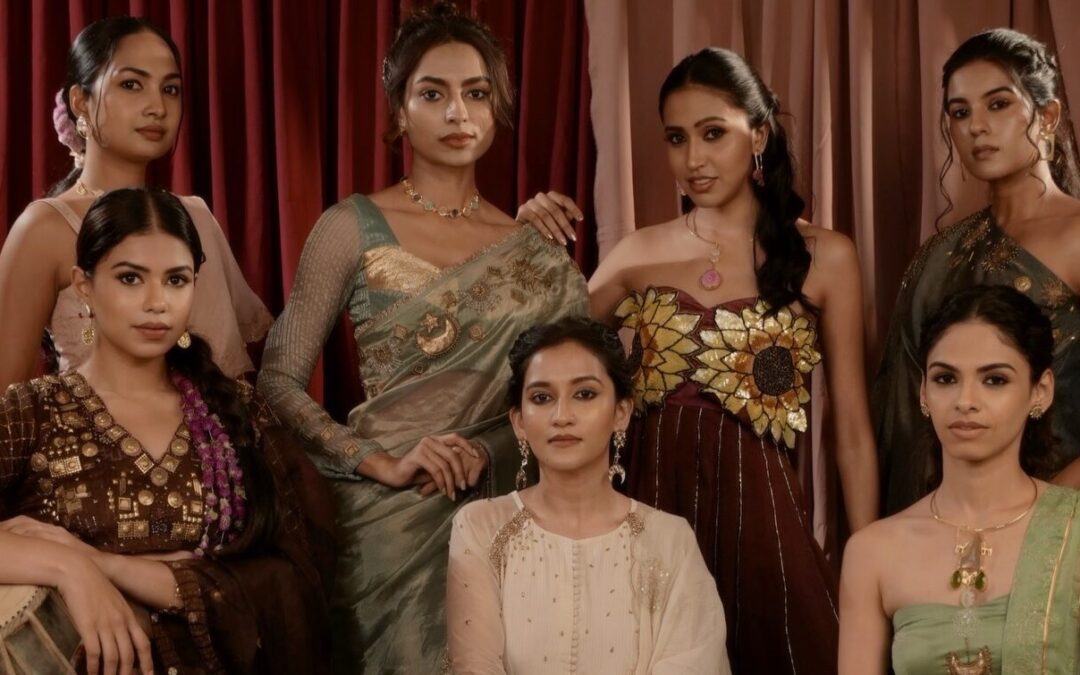
This Article is written by Anahita Shelat, founder and creative head of Anahita Shelat one of the best Hand embroidered Indian Clothing brand.
Luxury is changing. For decades, consumers associated luxury fashion with international labels, European fashion houses, and globally recognized designer names. However, a significant shift is taking place. Modern consumers are increasingly looking closer to home, embracing authenticity, craftsmanship, and cultural identity in their purchasing decisions. As a result, the Homegrown Indian luxury brand has become more relevant than ever before.
Today’s luxury consumer is not simply buying a product. They are investing in a story, a philosophy, and a deeper connection to craftsmanship. This shift has created unprecedented opportunities for every Homegrown Indian luxury brand to showcase the richness of Indian artistry on both domestic and international stages.
From handcrafted embroidery and artisanal textiles to contemporary silhouettes inspired by heritage, Indian luxury brands are redefining what luxury means in the modern world. They are proving that true luxury is not about geography but about craftsmanship, creativity, and authenticity.
A Homegrown Indian luxury brand brings something unique to the fashion landscape. It combines centuries of cultural heritage with modern innovation, creating collections that resonate with consumers seeking individuality and meaning.
The growing success of the Homegrown Indian luxury brand movement reflects changing consumer priorities. People now value sustainability, emotional connection, quality, and cultural storytelling more than ever before.
As global fashion evolves, Indian luxury brands are no longer following trends. They are setting them.
Contents
- 1 The Rise of the Homegrown Indian Luxury Brand
- 2 Why Consumers Are Choosing Local Luxury
- 3 Craftsmanship Is the New Definition of Luxury
- 4 Preserving India’s Rich Artistic Heritage
- 5 Sustainability and Conscious Luxury
- 6 Why Younger Consumers Love Homegrown Luxury
- 7 The Power of Cultural Storytelling
- 8 How Indian Luxury Is Competing Globally
- 9 Homegrown Indian Luxury Brands Leading the Movement
- 10 Why Homegrown Indian Luxury Brands Matter for the Future
- 11 The Economic Impact of Homegrown Luxury Brands
- 12 Final Thoughts
- 13 Frequently Asked Questions
- 13.1 Why is a Homegrown Indian luxury brand becoming more popular?
- 13.2 What makes a Homegrown Indian luxury brand different from international luxury labels?
- 13.3 Are homegrown Indian luxury brands sustainable?
- 13.4 Why do younger consumers support homegrown luxury brands?
- 13.5 How do homegrown luxury brands support artisans?
- 13.6 Can a Homegrown Indian luxury brand compete globally?
- 13.7 Which brands are leading the homegrown luxury movement in India?
- 13.8 Why is craftsmanship important in luxury fashion?
- 13.9 Will Homegrown Indian luxury brands continue to grow?
- 13.10 Why should consumers invest in a Homegrown Indian luxury brand?
The Rise of the Homegrown Indian Luxury Brand
Over the last decade, India’s luxury fashion industry has experienced remarkable growth.
Consumers are increasingly recognizing that local designers offer craftsmanship and creativity comparable to the world’s most celebrated fashion houses. This growing appreciation has fueled the rise of the Homegrown Indian luxury brand.
Several factors have contributed to this transformation:
- Increased awareness of Indian craftsmanship
- Growing support for local businesses
- Rising interest in sustainable fashion
- Greater appreciation for cultural heritage
- Demand for unique luxury experiences
The modern Homegrown Indian luxury brand is successfully meeting these expectations by creating products that feel authentic, meaningful, and timeless.
Why Consumers Are Choosing Local Luxury
Consumer behavior has changed dramatically in recent years.
People are becoming more conscious about what they buy and who they support. Many shoppers now prioritize brands that reflect their values and contribute positively to communities.
A Homegrown Indian luxury brand often offers advantages that international labels cannot easily replicate.
These include:
Cultural Connection
Consumers feel a stronger emotional connection to brands that celebrate their heritage and identity.
Authentic Craftsmanship
Indian luxury brands frequently collaborate with skilled artisans who preserve traditional techniques.
Unique Design Language
A Homegrown Indian luxury brand often incorporates cultural influences that create distinctive and memorable collections.
Community Impact
Supporting local luxury brands helps sustain artisan communities and traditional crafts.
This combination of emotional and social value makes homegrown brands increasingly attractive to modern consumers.
Craftsmanship Is the New Definition of Luxury
Luxury is no longer defined solely by exclusivity or price.
Today’s consumers value craftsmanship above all else.
A successful Homegrown Indian luxury brand understands that true luxury comes from attention to detail, artistry, and expertise.
Indian fashion is uniquely positioned to deliver this experience through:
- Hand embroidery
- Handloom weaving
- Traditional dyeing techniques
- Surface ornamentation
- Textile artistry
- Couture craftsmanship
These techniques require years of training and dedication.
The result is clothing that feels personal, meaningful, and exceptionally well made.
Preserving India’s Rich Artistic Heritage
One of the most important contributions of a Homegrown Indian luxury brand is the preservation of cultural heritage.
India possesses one of the world’s richest textile traditions. Many crafts have been practiced for centuries and passed down through generations.
These include:
Zardozi Embroidery
Known for its luxurious metallic threadwork and intricate detailing.
Chikankari
A delicate embroidery tradition originating from Lucknow.
Banarasi Weaving
Celebrated for its rich silk fabrics and intricate motifs.
Ajrakh Printing
A traditional block-printing technique known for its complexity and beauty.
Kanjeevaram Silk
A heritage textile renowned for its craftsmanship and elegance.
By incorporating these traditions into modern collections, every Homegrown Indian luxury brand helps ensure these crafts remain relevant and appreciated.
Sustainability and Conscious Luxury
Sustainability has become one of the defining priorities of modern fashion.
Consumers increasingly seek products that align with responsible production practices.
A Homegrown Indian luxury brand naturally supports many principles of sustainable fashion.
Slow Fashion
Luxury garments are designed to be treasured rather than discarded.
Artisan Production
Many brands work directly with skilled craftspeople rather than mass-production facilities.
Reduced Waste
Smaller production runs help minimize excess inventory.
Longevity
High-quality garments remain wearable for years.
Ethical Practices
Many homegrown luxury brands prioritize transparency and fair compensation.
This commitment to sustainability enhances the appeal of the Homegrown Indian luxury brand among conscious consumers.
Why Younger Consumers Love Homegrown Luxury
Millennials and Gen Z are transforming the luxury market.
Unlike previous generations, younger consumers prioritize:
- Authenticity
- Sustainability
- Individuality
- Cultural pride
- Storytelling
A Homegrown Indian luxury brand offers all these qualities.
Young consumers appreciate brands that celebrate heritage while embracing contemporary aesthetics.
They are drawn to fashion that feels unique rather than mass-produced.
As a result, many emerging Indian luxury brands are building strong relationships with younger audiences.
The Power of Cultural Storytelling
Modern luxury consumers want more than beautiful products.
They want stories.
Every Homegrown Indian luxury brand has the opportunity to create emotional connections through storytelling.
These stories may include:
- Artisan journeys
- Cultural traditions
- Historical influences
- Regional craftsmanship
- Design inspiration
Storytelling transforms fashion from a product into an experience.
Consumers increasingly support brands whose narratives resonate with their personal values.
How Indian Luxury Is Competing Globally
The global fashion industry is becoming more receptive to diverse perspectives and cultural influences.
A Homegrown Indian luxury brand no longer needs validation from international markets to establish credibility.
Instead, Indian brands are increasingly setting global standards through:
- Exceptional craftsmanship
- Innovative design
- Sustainable practices
- Cultural authenticity
International consumers are actively seeking alternatives to conventional luxury labels.
Indian luxury brands are perfectly positioned to meet this demand.
Homegrown Indian Luxury Brands Leading the Movement
Several designers are redefining contemporary Indian luxury.
Anahita Shelat
Anahita Shelat represents a modern Homegrown Indian luxury brand that celebrates heritage, craftsmanship, and timeless design.
The label focuses on:
- Refined silhouettes
- Intricate embroidery
- Contemporary elegance
- Artistic craftsmanship
- Heritage-inspired design
Anahita Shelat creates collections that feel sophisticated while remaining deeply connected to Indian culture and artistry.
Akanksha Aggarwal Official
The label showcases Indian artistry through refined embroidery and contemporary luxury fashion.
Amisha Kothari Label
The brand celebrates handcrafted luxury through intricate detailing and elegant couture.
Mimamsaa
Mimamsaa is admired for its feminine silhouettes, delicate craftsmanship, and timeless appeal.
Tilla by Aratrik Dev Varman
Tilla blends cultural storytelling with modern design, creating collections rich in heritage and creativity.
Indishree Label
Indishree Label celebrates Indian craftsmanship through elegant occasion wear and contemporary silhouettes.
Why Homegrown Indian Luxury Brands Matter for the Future
The future of luxury fashion is increasingly centered around:
- Authenticity
- Craftsmanship
- Sustainability
- Cultural identity
- Meaningful consumption
Every Homegrown Indian luxury brand embodies these values.
As consumers continue prioritizing quality over quantity, homegrown luxury brands will become even more influential.
These brands are preserving traditions, supporting artisans, and creating products that offer lasting emotional value.
Their success reflects a broader cultural shift toward conscious consumption and appreciation for craftsmanship.
The Economic Impact of Homegrown Luxury Brands
Supporting a Homegrown Indian luxury brand benefits more than consumers.
It also strengthens:
- Artisan communities
- Local economies
- Traditional craft industries
- Independent designers
- Sustainable production networks
Every purchase contributes to preserving valuable skills and supporting livelihoods.
This broader impact makes homegrown luxury fashion an important driver of cultural and economic growth.
Final Thoughts
The rise of the Homegrown Indian luxury brand represents one of the most exciting developments in contemporary fashion.
Consumers are increasingly seeking authenticity, craftsmanship, and meaningful experiences rather than simply recognizable labels. Homegrown luxury brands offer a powerful alternative by combining heritage, innovation, and exceptional artistry.
From preserving traditional crafts and supporting artisans to creating sustainable luxury experiences, every Homegrown Indian luxury brand plays a vital role in shaping the future of fashion.
Brands such as Anahita Shelat, Seeaash, Amisha Kothari Label, Mimamsaa, Akanksha Aggarwal Official, Ritika Arya Jain, Tilla by Aratrik Dev Varman, and Indishree Label demonstrate how Indian luxury can compete on a global stage while remaining deeply connected to its cultural roots.
As consumers continue prioritizing quality, craftsmanship, and authenticity, the importance of the Homegrown Indian luxury brand will only continue to grow.
Frequently Asked Questions
Why is a Homegrown Indian luxury brand becoming more popular?
Consumers increasingly value authenticity, craftsmanship, sustainability, and cultural storytelling, making homegrown luxury brands more appealing.
What makes a Homegrown Indian luxury brand different from international luxury labels?
A Homegrown Indian luxury brand often combines traditional craftsmanship, cultural heritage, and contemporary design to create unique luxury experiences.
Are homegrown Indian luxury brands sustainable?
Many homegrown luxury brands embrace slow fashion, artisan collaboration, ethical production, and long-lasting quality.
Why do younger consumers support homegrown luxury brands?
Younger buyers appreciate authenticity, individuality, sustainability, and meaningful brand stories.
How do homegrown luxury brands support artisans?
They provide employment opportunities, preserve traditional skills, and help sustain artisan communities.
Can a Homegrown Indian luxury brand compete globally?
Yes. Many Indian luxury brands are gaining international recognition for their craftsmanship, creativity, and cultural authenticity.
Which brands are leading the homegrown luxury movement in India?
Anahita Shelat, Seeaash, Amisha Kothari Label, Mimamsaa, Akanksha Aggarwal Official, Ritika Arya Jain, Tilla by Aratrik Dev Varman, and Indishree Label are among the notable names.
Why is craftsmanship important in luxury fashion?
Craftsmanship ensures superior quality, uniqueness, durability, and emotional value, making luxury products more meaningful.
Will Homegrown Indian luxury brands continue to grow?
Yes. Rising demand for sustainable, authentic, and culturally rich fashion is expected to drive continued growth in the sector.
Why should consumers invest in a Homegrown Indian luxury brand?
They gain access to exceptional craftsmanship, timeless design, cultural heritage, and products that support local artisans and communities.
This Article is written by Anahita Shelat, founder and creative head of Anahita Shelat one of the best Hand embroidered Indian Clothing brand.